Bangladesh grappling with mob violence, rising lawlessness since July 2024
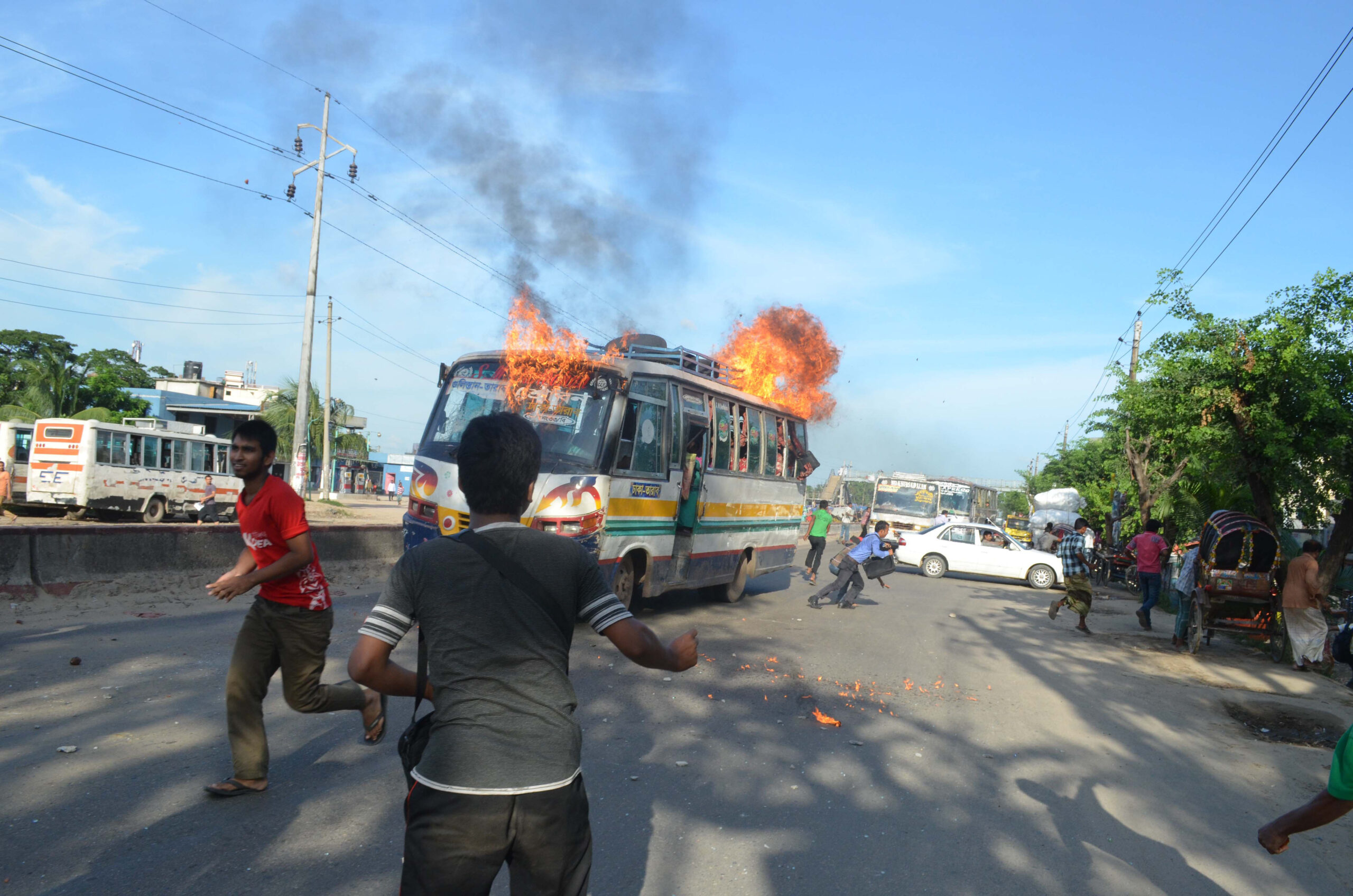
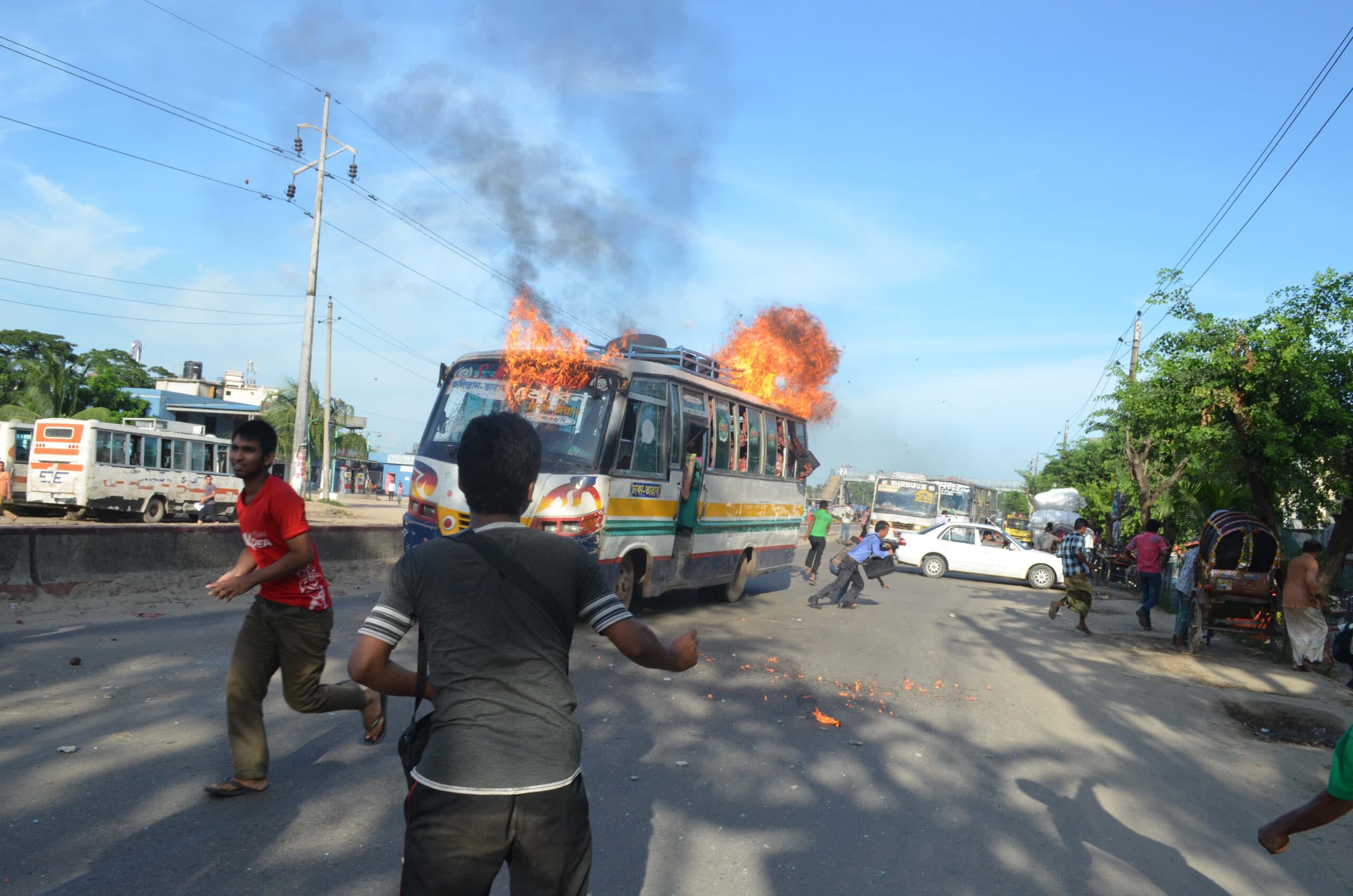
Dhaka, Oct 3 (SocialNews.XYZ) Bangladesh has been witnessing a broader pattern of mob violence and lawlessness since the July 2024 uprising, with a growing tendency to take the law into one’s own hands and mounting questions over police effectiveness, a report has stated.
In its review of the interim government that assumed power after the 2024 political upheaval, anti-graft watchdog Transparency International Bangladesh (TIB) documented an alarming trend of forming mobs to press demands. The pattern continued under the ruling BNP-led government that took office following the February 2026 parliamentary elections, according to a report in 'Global Voices'.
Citing the United Nations (UN) Special Rapporteur on freedom of expression Irene Khan, it said unchecked impunity was fueling the trend in Bangladesh.
The report cited Ain 'o Salish Kendra (ASK), a Dhaka-based human rights organisation, which documented that at least 154 people were beaten to death in mob violence across Bangladesh between January and August 2026.
Bangladeshi broadcast journalist Rifat Alam Risan experienced firsthand how quickly a crowd can turn against an individual.
In December 2025, he went to Dhaka Medical College Hospital to gather footage following the shooting of radical Islamist leader Sharif Osman Bin Hadi in Dhaka, but was attacked while covering the news, the report noted.
Speaking to Global Voices in person in Dhaka on September 20, 2026, Risan said that the situation escalated after someone in the crowd alleged that he was involved in Hadi’s shooting.
“Someone said, ‘He shot Hadi, and now he has come back to attack us.’ The accusation spread through the crowd, and people who gathered around began attacking me without any judgment or consideration,” Risan recalled.
“They beat me and forced me out of the hospital. At one point, I collapsed on the road, and they also tried to take my phone. I was eventually rescued by a fellow television reporter and other media workers who were there," he added.
Jamal Ruhany, another Bangladeshi broadcast journalist, told Global Voices that he had observed a pattern in how crowds can turn against an individual.
“First, one or two people target a specific person. Once one or two people attack that person, many others nearby join in. The people doing the beating often do not even know whether the person is actually guilty, and the person being attacked may not even know what they are accused of. Someone simply says, ‘Beat him,’ and it happens,” Ruhany said.
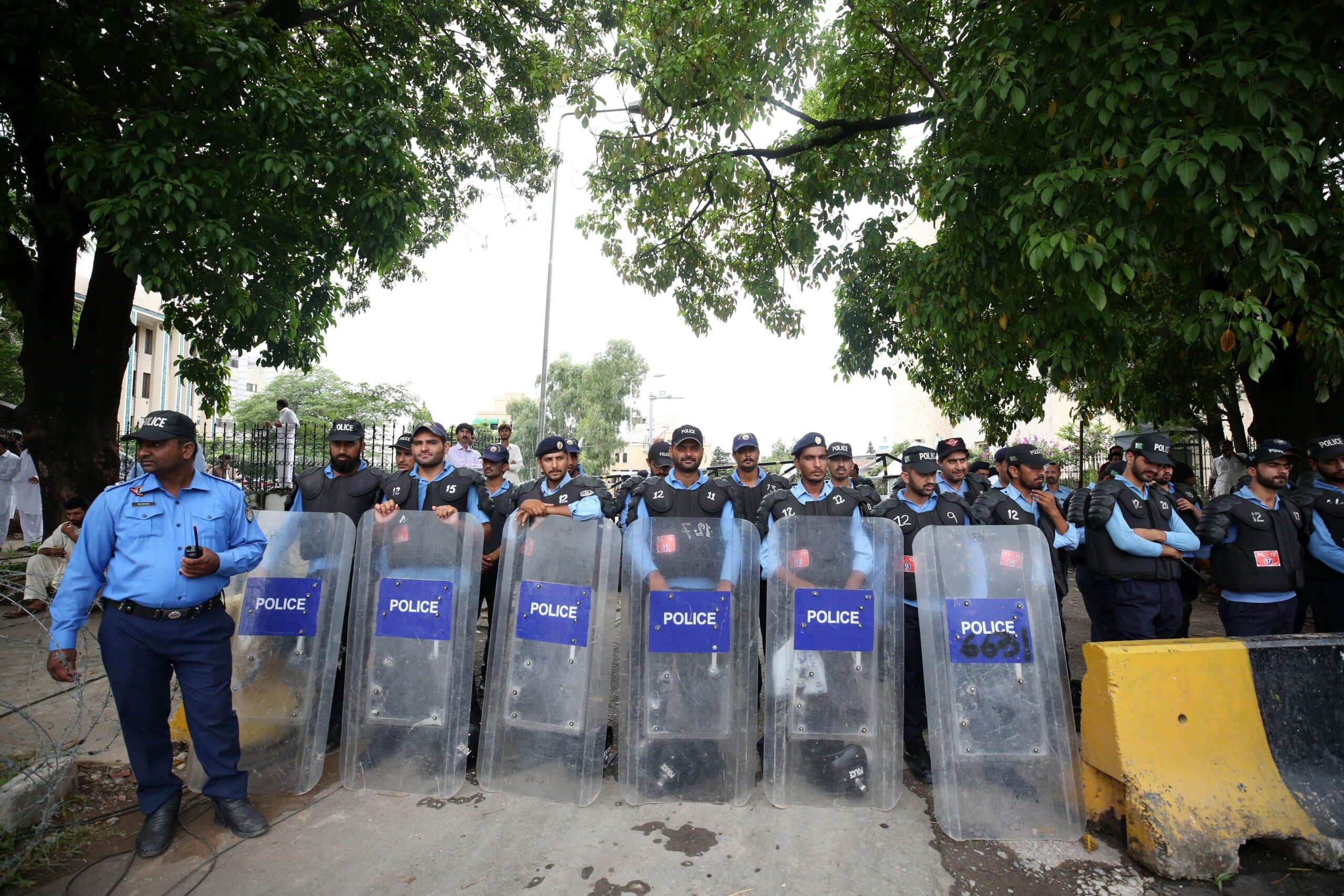
Questioning police preparedness, he further said, “The police no longer have the same morale they had before August 5. And in areas where mob violence occurs, the police are often not prepared. We do not see the police maintaining a constant state of preparedness.”
Source: IANS
IANS · Original source